Last updated: Aug 12, 2026.
Your best tweet already proved the idea works. Copy-pasting it straight to LinkedIn, though, is a fast way to flop — the two platforms reward opposite things. Repurposing means keeping the idea and changing the delivery.
Why copy-paste fails
X rewards brevity, edge, and a fast punchline. LinkedIn rewards context, a bit of story, and a takeaway. Drop a naked one-liner into LinkedIn and it reads as thin; dump a LinkedIn essay into X and it reads as a wall. Same message, wrong format.
The translation formula
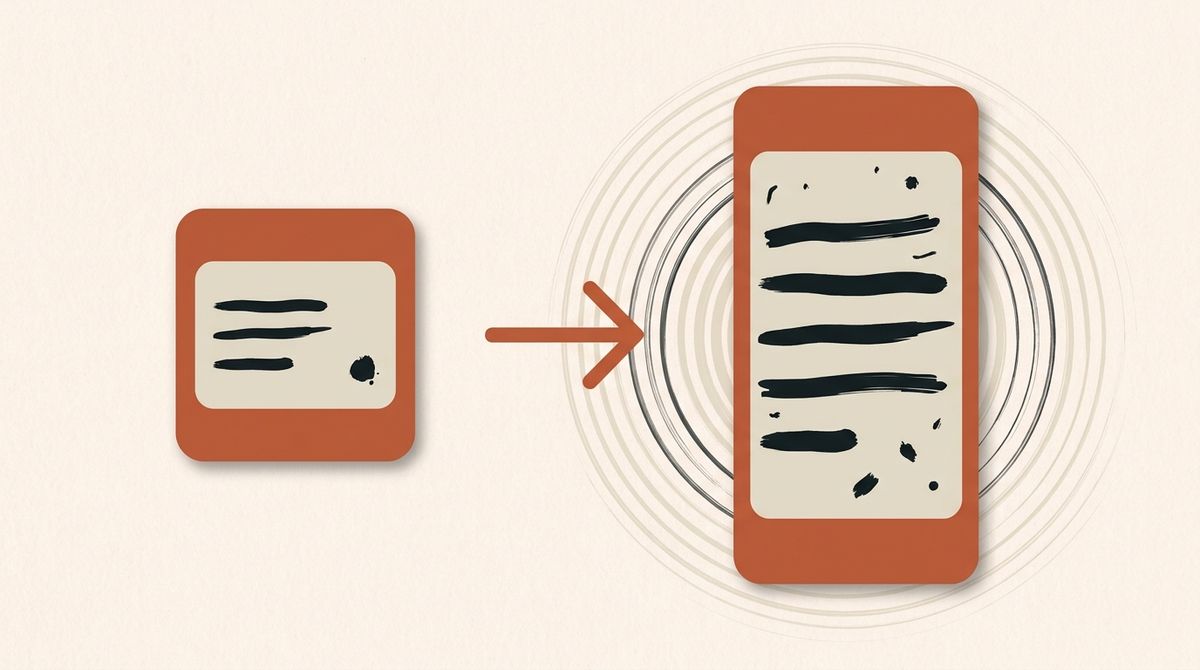
Take a tweet that worked and expand it:
- Keep the core claim as your hook line.
- Add the story — the specific situation behind the take.
- Add the takeaway — what the reader should do with it.
- Break it up — short lines, white space, one idea per line.
You're not rewriting the thought. You're giving it room to breathe.
A great tweet is a great LinkedIn post with the context added back in.
Mine your own analytics
Don't guess which tweets to repurpose — let performance decide. Your top posts by engagement are pre-validated ideas. Pull the winners and give each a LinkedIn life.
Do it at the source
Better than repurposing after the fact is writing once for both, tuned per platform. Draft an idea and adapt it for Linkedin and X together, then queue both with smart scheduling. One idea, two native posts, no copy-paste penalty.
Reuse the idea, not the wording. That's the difference between repurposing and reposting.
Put this on autopilot.
Orymus plans, writes and posts — you just approve.
Keep reading
 Strategy
What Is Evergreen Content? (With Examples)
Evergreen content stays relevant and useful long after it's published. Here's what it is, examples, and why it's a solo creator's best asset.
 Growth
What Is Social Proof? (And How to Use It on Social Media)
Social proof is the tendency to trust something because others do. Here's what it is, the main types, and how to use it without sounding boastful.