Last updated: Sep 19, 2026.
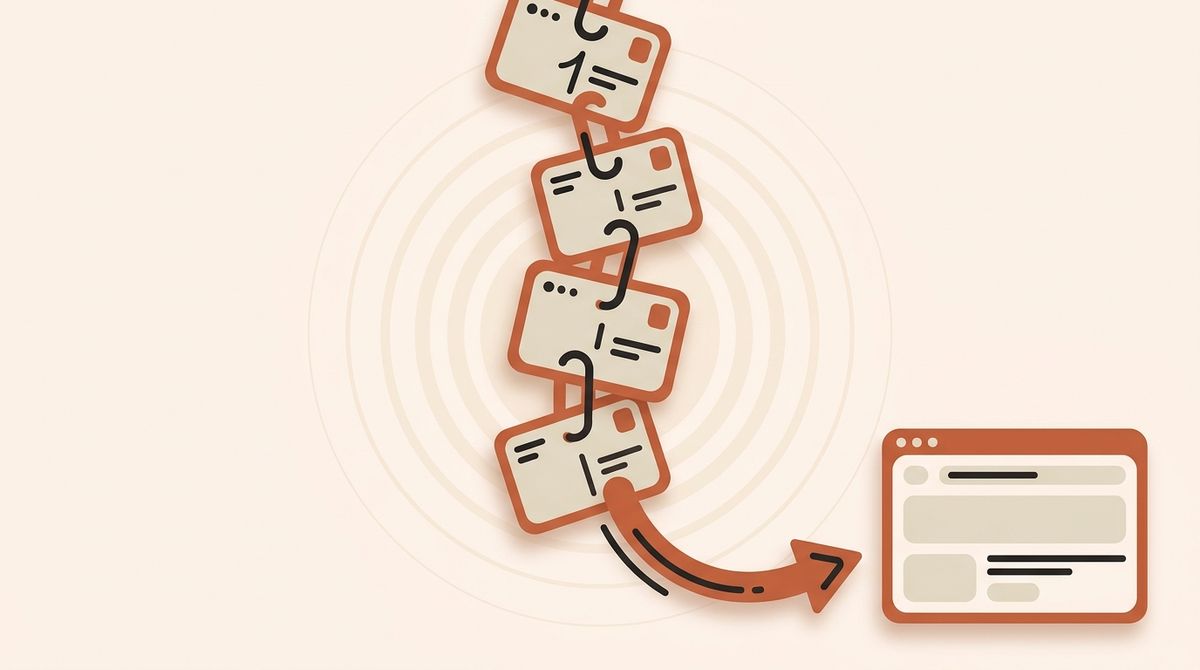
Most threads get likes and send zero traffic. That's not because links are dead on X — it's because the thread was built for applause, not action. A traffic thread is engineered differently, from the hook to where the link sits.
Start with a hook that promises a payoff
The first post decides everything. It should promise something specific and worth the read: a result, a method, a mistake to avoid. Vague first lines get scrolled; concrete ones get opened.
Deliver, then point somewhere
Structure the thread to give real value in the posts themselves, so readers trust you by the end. Then — and only then — point to where they can get more:
- Put the link in the last post, not the first.
- Frame it as the natural next step, not a demand.
- Make the destination match the promise.
People click links from accounts that already gave them something. Earn the click inside the thread.
Don't fear the algorithm penalty
Yes, X favors posts that keep people on-platform. The workaround isn't to avoid links — it's to make the thread valuable enough that engagement outweighs the outbound nudge, and to place the link where it won't kill early reach.
Turn one thread into many posts
A strong thread is a content mine: each post can become a standalone tweet, a LinkedIn hook, or a carousel slide. Draft once and redistribute with smart scheduling across X and beyond, so one traffic thread fuels a week of posts.
Give value first, link last, and structure for the click. That's how a thread stops being applause and starts being traffic.
Put this on autopilot.
Orymus plans, writes and posts — you just approve.
Keep reading
 AI
AIHow to Train AI on Your Brand Voice (the Practical Way)
A practical, no-jargon way to train AI on your brand voice — using examples, bans and feedback instead of a bloated 'brand voice' document nobody reads.
 Growth
A Threads Growth Strategy for People With No Time
A low-effort Threads growth strategy for busy founders — how to grow on Threads with a few casual posts a day and none of the burnout.